
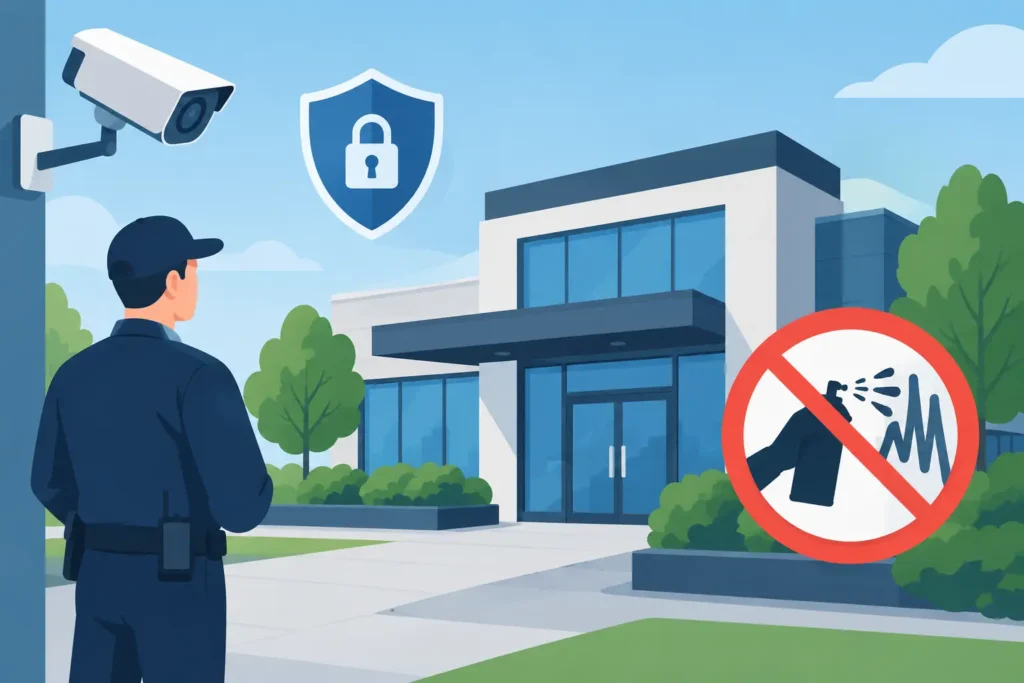
A broken window, spray-painted wall, damaged gate, or destroyed piece of equipment is rarely an isolated inconvenience. Vandalism can interrupt operations, frustrate tenants, create safety concerns, and signal that a property is not actively protected. The best ways to prevent vandalism combine visible deterrence, controlled access, fast response, and a security plan built around the site’s actual risks.
For Southern California property owners and managers, the right approach depends on the property type, hours of operation, surrounding activity, and what is most attractive or vulnerable after hours. A retail center, construction site, apartment community, industrial yard, and special event face different threats. The goal is not simply to add cameras or post warning signs. It is to make unauthorized activity difficult, noticeable, and likely to receive a prompt response.
Start With a Site-Specific Security Assessment
Vandalism prevention begins with identifying where and when incidents are most likely to occur. Walk the property as someone looking for an easy opportunity would. Pay close attention to poorly lit corners, unsecured side gates, vacant units, loading areas, detached structures, parking lots, roof access points, and locations hidden from public view.
Review prior incidents as well. Patterns often reveal more than a single report. If graffiti appears along the same rear wall, the issue may be poor lighting, easy alley access, or a lack of patrol presence during a predictable time window. If vehicles are repeatedly damaged in one section of a parking lot, sightlines and access controls may need attention.
A professional assessment should also account for daily operations. A gate that remains open because deliveries arrive constantly may be necessary for business, but it requires another layer of monitoring. The most cost-effective security program is one that addresses real vulnerabilities without paying for coverage a site does not need.
Make the Property Look Actively Protected
Most vandals look for low-risk opportunities. Visible security measures do not guarantee prevention, but they change the calculation for someone deciding whether to enter or damage a property. A site that appears monitored, occupied, and maintained is a less appealing target than one that looks neglected.
Highly visible guard presence is one of the strongest deterrents, particularly for properties with recurring incidents, valuable equipment, or public access after dark. Uniformed officers can observe activity, enforce site rules, conduct access checks, document suspicious behavior, and contact law enforcement when necessary. Their presence also reassures tenants, employees, visitors, and residents that someone is accountable for the property.
For sites that do not require a full-time standing guard, marked mobile vehicle patrols can provide an affordable alternative. Randomized patrol times are especially valuable because they make it harder for offenders to predict when the property will be unattended. Foot and bike patrols can be effective in apartment communities, retail areas, and campuses where an officer needs closer contact with people and better visibility around walkways and common areas.
Maintain a Clean, Orderly Exterior
Property condition affects security. Overgrown landscaping, abandoned materials, broken fencing, overflowing trash areas, and unrepaired damage communicate that no one is watching. They can also create hiding places and block camera views.
Remove graffiti and repair vandalism as quickly as practical. Prompt cleanup reduces the reward of visible damage and prevents the site from becoming known as an easy target. Keep shrubs trimmed near doors, windows, walkways, and parking areas so there are clear sightlines from the street and throughout the property.
Improve Lighting and Camera Coverage
Lighting is a basic but powerful part of vandalism prevention. Entrances, parking areas, loading docks, dumpster enclosures, exterior corridors, storage yards, and perimeter gates should be bright enough for people and cameras to identify activity. Replace burned-out fixtures quickly, and inspect lighting after changes in landscaping or construction that may create new shadows.
Cameras add value when they are placed for a purpose. A camera mounted too high, aimed at a broad area, or blocked by vegetation may record an incident without providing useful identification. Focus coverage on entry and exit points, high-value assets, common vandalism locations, cash-handling areas, and areas where people can approach unseen.
Cameras work best as part of an active response plan. Someone must review alerts, preserve relevant footage, and know who will respond if suspicious activity is observed. Alarm monitoring and response services can help close the gap between an alert and an on-site security presence. A camera system alone may document a problem; a coordinated response can stop it from escalating.
Control Access Without Disrupting Operations
Unauthorized access is often the first step before vandalism, theft, trespassing, or property damage. Strong access control means knowing who belongs on site, where they should be, and when access should end.
Secure perimeter fencing, gates, doors, and vacant spaces. Inspect locks, latches, key boxes, roll-up doors, and temporary construction barriers regularly. A damaged lock or gate left unaddressed can quickly become an invitation for repeat trespassing.
For commercial and industrial sites, access procedures may include visitor sign-in, employee credentials, delivery verification, contractor check-in, and controlled vehicle entry. For residential communities, gate and reception security can help verify guests, discourage tailgating, and address unauthorized parking or loitering before it turns into a larger issue.
There is always a balance between convenience and control. A property with heavy vendor traffic may not be able to lock every entrance throughout the day. In that case, a trained officer at a gate or reception point can provide oversight without slowing legitimate business activity.
Use Patrols to Interrupt Opportunity
Consistent patrol activity is particularly effective because vandalism often occurs when offenders believe no one will notice. Officers should check more than the front entrance. Effective patrol routes include perimeter lines, stairwells, restrooms, rear service areas, parking sections, storage zones, mechanical rooms, and other locations that may be out of public view.
Patrols should not become predictable. Varying routes and timing makes surveillance more difficult and creates uncertainty for anyone considering unauthorized activity. Officers should also document observations, unsecured doors, damaged fencing, suspicious vehicles, lighting failures, and recurring problem areas. Those reports help management correct conditions before an incident occurs.
At construction sites, after-hours patrols can protect tools, materials, trailers, generators, and unfinished structures. At retail and multifamily properties, patrol officers can address loitering, unauthorized parking, disturbances, and access concerns that contribute to vandalism risk. The right patrol frequency depends on incident history, site size, neighborhood conditions, and the cost of a potential loss.
Set Clear Rules and Enforce Them Professionally
Visible rules support security when they are backed by consistent enforcement. Posted notices for restricted areas, no trespassing, visitor procedures, parking restrictions, and after-hours access can establish expectations. But signs are not a substitute for action.
Trained security officers can approach issues early and professionally. A person lingering near a closed building, trying door handles, or entering a restricted yard may be redirected or removed before damage occurs. Early intervention is usually safer and less costly than waiting until a window is broken or equipment is destroyed.
Officers must also understand when to escalate. They should observe, communicate clearly, document incidents, contact supervisors, and call law enforcement when appropriate. California BSIS-licensed guards who receive ongoing training are better prepared to handle tense situations with professionalism while protecting people and property.
Build a Fast Response Plan for Incidents
Even well-protected properties can experience attempted vandalism. The difference between a minor event and a costly recurring problem often comes down to response time. Establish who receives alarm notifications, who checks camera footage, who can authorize repairs, and how law enforcement reports will be handled.
After an incident, secure the damaged area immediately. Repair gates, doors, windows, and lighting as soon as possible, preserve video and photographs, and review whether the offender used a weakness that remains open. If an incident happened during a gap in coverage, adjust patrol times or add temporary standing guard coverage while repairs are completed.
Mursheed Protection Security Services can structure guard and patrol programs around a property’s hours, vulnerabilities, and budget, including emergency assignments when a site needs immediate coverage. The value is not merely having an officer on location. It is having an accountable security presence prepared to observe, deter, report, and respond 24 hours a day, 7 days a week.
The Best Prevention Plan Is the One People Can Maintain
The best ways to prevent vandalism are practical enough to sustain. A perfect security plan on paper will not help if lights stay unrepaired, gates are routinely propped open, camera alerts go unanswered, or patrol instructions are unclear. Start with the most likely points of entry and the places where damage would be most expensive, then build outward.
A maintained property, visible security presence, controlled access, and fast response send a clear message: this site is watched, managed, and not an easy target.