
A 2:00 a.m. alarm call can mean a break-in, a system malfunction, or a door that was never fully secured. When the same property generates repeated false alerts, staff begin to question every notification, responders lose valuable time, and local agencies may impose costly false-alarm fees. Knowing how to reduce false alarms protects your budget while helping ensure that real emergencies receive the urgency they deserve.
For property managers, business owners, community associations, and site operators, the answer is not simply turning down alarm sensitivity. A poorly adjusted system may stop nuisance alerts but also fail to detect an actual intrusion. The better approach is to identify why alarms are activating, correct the operational gap, and establish a response process that verifies incidents without leaving the property unprotected.
Start With the Most Common Causes of False Alarms
False alarms usually come from a predictable combination of equipment issues, environmental conditions, and human error. The pattern matters. One alert after a power outage requires a different correction than motion alarms occurring every weekend after cleaning crews leave.
Common causes include:
- Doors, gates, windows, or loading docks that do not latch completely
- Incorrect codes, rushed closing procedures, or untrained employees and vendors
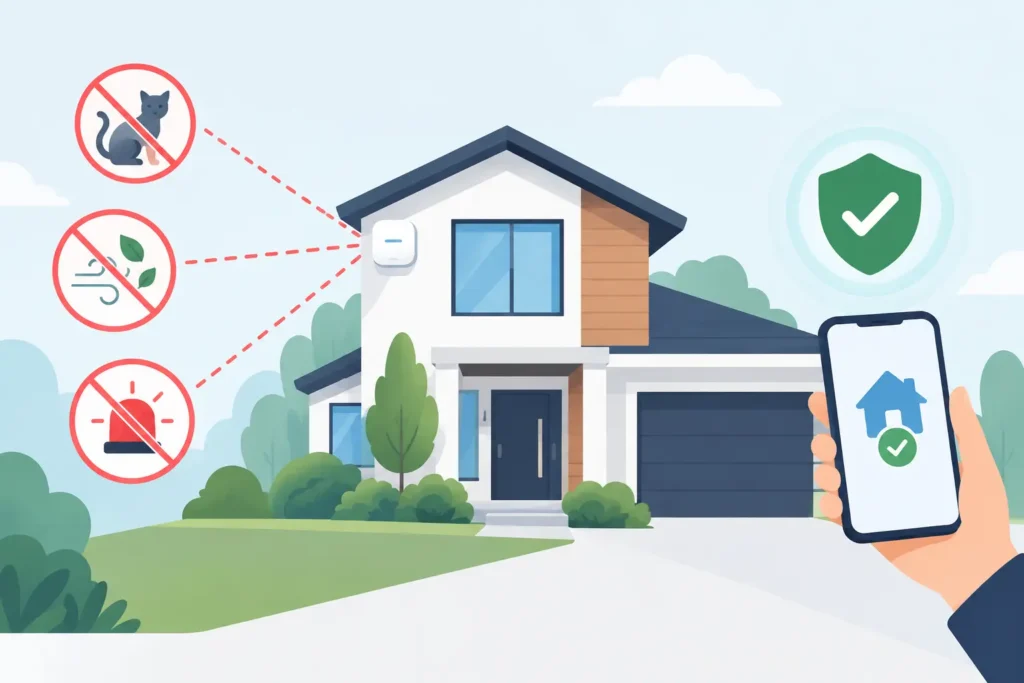
- Motion sensors affected by HVAC airflow, insects, pets, balloons, or moving displays
- Aging batteries, loose contacts, damaged wiring, and communication failures
- Construction work, dust, vibration, or temporary changes to the site layout
Record the date, time, zone, weather conditions, activity on-site, and response outcome for every activation. After several incidents, this information often reveals a clear pattern. For example, repeated alarms from the same rear door may point to a worn strike plate, while alerts during early-morning deliveries may show that drivers have not been given the correct access procedure.
How to Reduce False Alarms Through Better System Setup
Alarm equipment should be configured for the property as it operates, not as it appeared on the day of installation. Retail stores, industrial yards, office buildings, apartment communities, and construction sites all have different traffic patterns, access points, and after-hours risks.
Check sensors, contacts, and placement
Begin with a professional inspection of the zones that activate most often. Door and window contacts must align and close securely. Motion detectors need a clear field of view and should not face air vents, hanging signage, reflective surfaces, or areas where insects commonly collect. Outdoor sensors need added attention because wind-blown debris, landscaping, wildlife, and changing weather can all affect performance.
Sensitivity should be adjusted carefully. Reducing it may cut nuisance activations, but excessive reduction creates blind spots. A qualified technician can test each device and confirm that it detects the activity it was installed to detect without reacting to ordinary site conditions.
Maintain the system before it fails
A regular maintenance schedule is more cost-effective than waiting for recurring alerts. Test backup batteries, cellular or internet communication, control panels, sirens, and monitoring connections. Replace damaged equipment promptly, especially at exposed gates, loading areas, and exterior doors.
Properties undergoing renovations need a fresh review. Temporary walls, new shelving, equipment storage, open ceilings, and construction dust can interfere with sensors that previously worked as intended. Do not assume the alarm plan remains effective after the physical environment changes.
Use zoning that supports verification
A single broad zone can make a response harder to assess. When practical, separate major access points and high-risk areas so monitoring personnel or on-site security can identify the source of an activation. A rear gate alert, a lobby glass-break sensor, and a warehouse motion alarm should not all appear as the same general notification.
Better zoning helps reduce unnecessary dispatches, but it also gives responders more useful information during a real event. The right level of detail depends on the property’s size, layout, budget, and risk exposure.
Make Arming and Disarming Procedures Clear
Human error remains one of the largest sources of false alarms. Employees may not realize that a delayed exit period is ending, a supervisor may arm the building while a contractor is still inside, or a new tenant may enter an area without knowing the panel procedure.
Every authorized user should receive straightforward instruction on entering and exiting, using codes, canceling an accidental activation, and reporting an equipment concern. Training should be repeated when there is turnover, a new vendor begins work, or the alarm process changes. Written procedures are especially useful at properties with multiple shifts, shared suites, or frequent deliveries.
Limit alarm codes to people who genuinely need them. Shared codes make accountability difficult and create unnecessary security exposure when staff leave. Individual codes, promptly removed when employment or vendor access ends, make it easier to determine whether an activation was procedural or technical.
Closing routines should also be deliberate. Before arming, staff should check restrooms, storage areas, stairwells, break rooms, and other spaces where someone could remain behind. Exterior doors, roll-up doors, gates, and accessible windows should be confirmed secure. A short, consistent lock-up checklist prevents the common problem of arming a building with an unsecured entry point.
Coordinate Contractors, Deliveries, and After-Hours Access
Many properties do not experience false alarms during normal business hours. They experience them when cleaners, maintenance technicians, delivery drivers, construction crews, or event vendors arrive outside the usual schedule.
Provide approved after-hours users with the correct access instructions before they arrive. Confirm which doors they may use, whether the system will be disarmed for their work window, who to contact if there is a problem, and when the site must be secured again. Do not rely on a verbal message passed through several people.
For active construction sites and facilities with changing crews, access control and visible patrol coverage can be more reliable than giving broad alarm access to temporary workers. A trained officer can verify credentials, document arrivals and departures, secure gates, and address an alarm condition immediately. This is particularly valuable where equipment, materials, or restricted areas create a higher risk of theft or unauthorized entry.
Build a Response Plan That Does Not Treat Every Alert the Same
A false alarm is still an operational event. It may reveal a failing device, a training problem, or a vulnerability that requires attention. The goal is to verify the situation quickly while preserving an appropriate response to real threats.
Your monitoring instructions should identify current keyholders, escalation contacts, site hazards, access details, and the appropriate steps for different alarm types. Keep this information current. An outdated call list can turn a minor alert into a prolonged disruption, particularly at sites with staff changes or multiple management contacts.
For many commercial and residential properties, alarm response by a licensed security officer provides a practical middle ground. The officer can inspect the exterior, look for signs of forced entry or unsafe conditions, check designated areas when authorized, document findings, and contact management or emergency services when needed. This helps avoid sending an unprepared employee to a potentially unsafe situation while giving the property timely, professional verification.
There are trade-offs. A remote camera review may be sufficient for a low-risk interior motion alert, while a warehouse perimeter breach or repeated gate alarm may justify an in-person patrol response. High-value inventory, isolated locations, prior criminal activity, and the time of day should all influence the plan.
Review Alarm Activity With Your Security Provider
Do not wait for fines or tenant complaints before reviewing alarm history. A monthly review of activations, response times, affected zones, and corrective actions can show whether the property is improving. It also helps management distinguish isolated mistakes from a recurring weakness that needs investment.
A free security assessment can be useful when false alarms coincide with access issues, vandalism, trespassing, or gaps in patrol coverage. The objective is not to add services that a site does not need. It is to match alarm procedures, access control, maintenance, and trained guard or patrol coverage to the actual risk and operating budget.
Mursheed Protection Security Services helps Southern California properties develop cost-effective security programs that include alarm response, lock-up services, access control, and highly trained guard coverage when conditions call for it. A dependable plan gives staff clear instructions, gives responders useful information, and keeps attention focused where it belongs: on protecting people, property, and operations.
The next false alarm should be treated as evidence, not just an interruption. Review what triggered it, correct the cause, and make one practical improvement before the same issue repeats.