
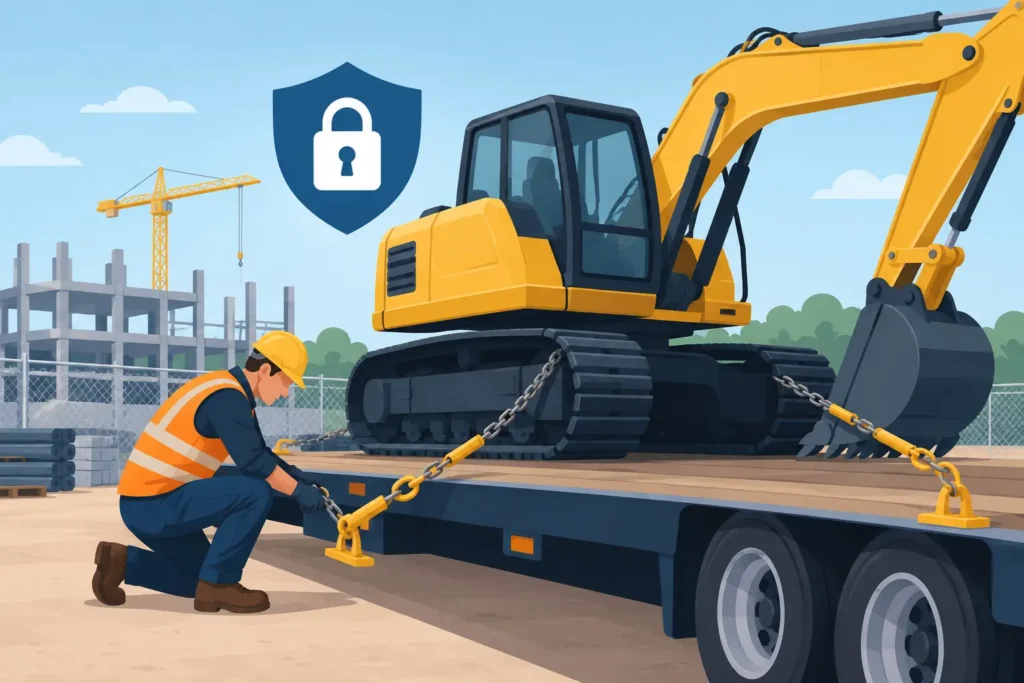
A parked excavator, generator, skid steer, or trailer can represent tens of thousands of dollars in exposure after the crew leaves. Construction theft is rarely limited to one missing tool. A stolen machine can delay a critical phase, disrupt subcontractors, create insurance work, and leave a site open to further trespassing. Knowing how to secure construction equipment means planning for more than a locked gate. It requires a visible, layered system that makes theft difficult, detection likely, and response immediate.
Start With the Jobsite’s Real Exposure
Every construction site has a different risk profile. A large commercial project with controlled entry has different vulnerabilities than a vacant infill lot, a new housing development, or a roadwork project that changes location every week. Before adding cameras or assigning guards, identify what is on site, when it is exposed, and how someone could remove it.
Create an up-to-date equipment inventory with make, model, serial number, asset number, photographs, and any identifying marks. Record where each asset is normally stored and who has authority to move it. This information supports daily accountability and gives law enforcement and insurers usable details if equipment disappears.
Walk the perimeter after normal work hours if possible. Look for broken fencing, open access points, poor lighting, blind areas behind material stacks, and nearby streets that allow a truck and trailer to approach unnoticed. Also consider the schedule. Theft risk often rises over weekends, holidays, weather delays, and at projects where crews are not yet working full time.
A security assessment should address both equipment theft and unauthorized access. Trespassers may be looking for materials, shelter, copper, fuel, or an opportunity to vandalize the site. The same weaknesses that expose a generator can expose workers, visitors, and neighboring properties.
How to Secure Construction Equipment With Layers
The strongest protection programs do not rely on one device or one person. They combine physical controls, operating procedures, technology, and active site presence. If one layer is bypassed, another should slow the intruder or create an alert.
Control the perimeter and entry points
A fence is only effective when it is complete, maintained, and supported by controlled access. Repair cuts, gaps, loose panels, and damaged gates promptly. Keep gates locked when the site is unattended, and avoid leaving keys, gate remotes, or access codes available to multiple people without accountability.
Limit entry to defined points and keep delivery, employee, and visitor procedures clear. On larger projects, a gate officer can verify credentials, direct deliveries, maintain a visitor log, and prevent unauthorized vehicles from entering. On smaller sites, lock-up checks and scheduled patrols may provide a more cost-effective level of coverage.
Lighting matters because it removes concealment and supports camera footage, but it should be positioned carefully. Illuminate gates, equipment storage areas, fuel tanks, trailers, and material staging zones without creating glare or shadows that hide movement. Temporary solar lighting can help where permanent power is not yet available.
Secure machines before the crew leaves
End-of-day procedures are one of the most practical theft controls on a construction site. Operators should park equipment in a designated, visible area rather than leaving machines spread across the project. Whenever possible, position larger equipment so it cannot be driven directly to an exit or loaded quickly onto a trailer.
Remove keys and store them in a controlled location. Use ignition locks, steering locks, battery disconnects, hydraulic lockouts, wheel locks, or other equipment-specific immobilizers. The right method depends on the machine and manufacturer guidance, but the goal is consistent: make unauthorized operation take time and create noise or effort.
For towable equipment, use heavy-duty coupler locks and wheel boots. Secure generators, compressors, and small machinery to fixed anchors or store them inside a locked container. Tool containers need protected hinges, quality padlocks, and placement that does not give thieves easy cover behind them.
Do not overlook fuel. Fuel tanks and portable fuel storage can attract theft and create a safety hazard. Use locking caps, restrict access to dispensing equipment, and document fuel levels during regular checks. A sudden drop in fuel can be an early warning that site controls are failing.
Use Technology for Visibility, Not False Confidence
GPS tracking is valuable for high-value mobile equipment. Select devices that report location reliably, alert authorized contacts when equipment moves outside approved hours or areas, and are installed where removal is difficult. Geofencing can be especially useful for equipment that should remain within a defined project boundary.
Cameras add another layer, particularly at gates, equipment yards, and blind spots. They work best when they are correctly aimed, supported by adequate lighting, tested regularly, and monitored by someone who can act on an alert. A camera that records a theft without producing a timely response may help an investigation, but it may not prevent a loss.
Alarm systems can protect containers, trailers, gates, and storage areas. Consider how alerts will be handled at 2:00 a.m. A clear response plan should identify who receives the notification, who verifies conditions, when law enforcement is contacted, and whether a mobile patrol officer can respond. Technology is useful when it supports accountable action rather than replacing it.
Put Clear Procedures Behind the Hardware
The most expensive security equipment can be undermined by inconsistent habits. Assign responsibility for lock-up, key control, and equipment checks at the end of each shift. A simple written checklist helps supervisors confirm that keys are removed, machines are immobilized, trailers are locked, gates are secured, lights are operating, and unusual conditions are reported.
Keep movement records for equipment that travels between sites. A foreman should know when a machine is authorized to leave, who is transporting it, where it is going, and when it arrives. This reduces confusion when equipment is relocated for legitimate work and makes unauthorized movement easier to identify.
Train workers and subcontractors to report suspicious activity quickly. They should not confront trespassers or attempt to recover stolen property. Instead, they should move to a safe location, notify the designated site contact or security provider, and provide useful observations such as vehicle descriptions, direction of travel, and the time of the incident.
Add a Visible Security Presence Where Risk Demands It
Physical security personnel are often the missing layer on projects with repeated trespassing, valuable equipment, exposed perimeters, or long overnight gaps. A trained guard can deter opportunistic theft simply by being visible, while also checking gates, monitoring access, documenting conditions, and escalating incidents under established procedures.
The appropriate coverage depends on the project. A standing guard may be justified at a high-value site with active deliveries, multiple access points, or a history of theft. Mobile vehicle patrols can be a competitive pricing option for sites that need periodic exterior checks, alarm response, and lock-up verification rather than continuous coverage. Foot patrols can be effective where a guard needs to inspect equipment rows, containers, and areas that a vehicle cannot reach.
For Southern California projects, coverage should also account for the realities of sprawling sites, adjacent public access, and varying municipal conditions across Los Angeles, Orange, Riverside, and San Bernardino counties. Security officers should understand the post orders, know who to contact after hours, and document every irregularity clearly. California BSIS-licensed guards bring professionalism and defined procedures to situations that can become unpredictable quickly.
Mursheed Protection Security Services develops customized guard and patrol programs for construction sites that need dependable coverage without being forced into a one-size-fits-all package. A free security assessment can help determine whether scheduled patrols, overnight guards, access control, alarm response, or a combination of services fits the actual exposure and budget.
Plan the Response Before Something Goes Missing
A theft response plan protects more than equipment. It preserves evidence, reduces confusion, and helps the project resume work sooner. Designate the people authorized to contact law enforcement, access tracking platforms, notify the equipment owner, and communicate with insurers. Keep current serial numbers, photographs, and vendor contacts accessible to those decision-makers.
If an alarm activates or equipment is missing, avoid disturbing the area unless there is an immediate safety concern. Document the time, the last confirmed location of the asset, camera footage availability, and any signs of forced entry. A guard’s patrol log, visitor records, and access-control information can be especially valuable when establishing the timeline.
Security spending should be proportional to the value and exposure of the site, but cutting every protective measure can be costly. Start with the controls that close the largest gaps: a secured perimeter, disciplined lock-up, immobilized equipment, reliable lighting, and an after-hours response plan. Then add technology and personnel where the risk justifies them.
The goal is not to make a jobsite look fortified. It is to make every valuable asset harder to take, every intrusion easier to notice, and every after-hours concern met with a professional response. When crews leave for the day, the site should still be actively protected.